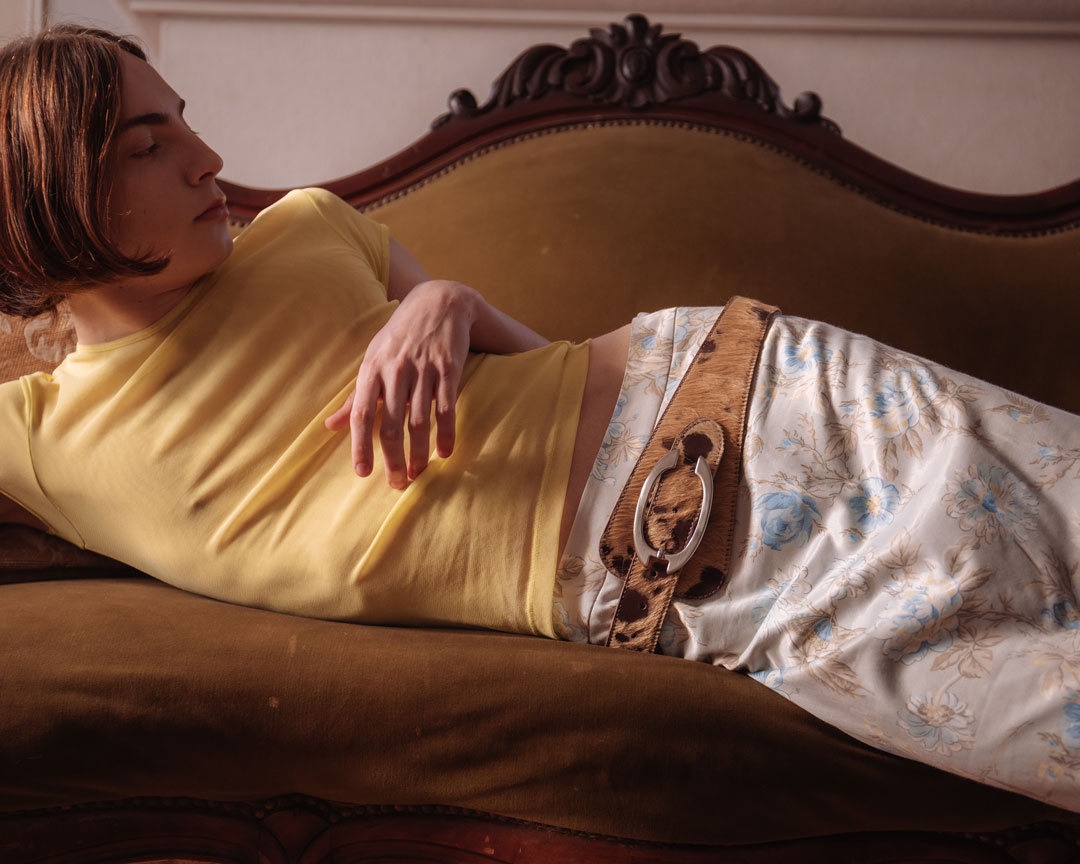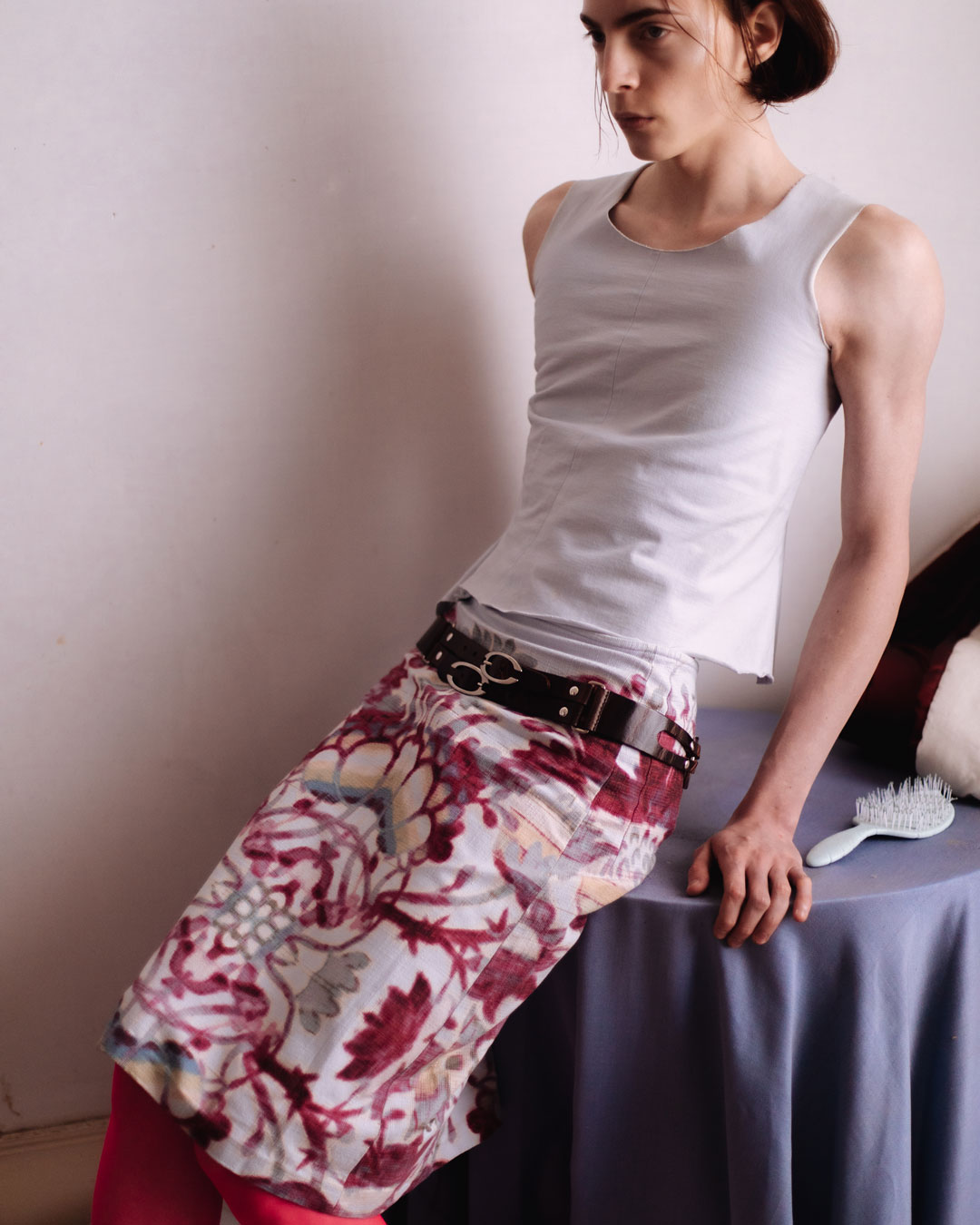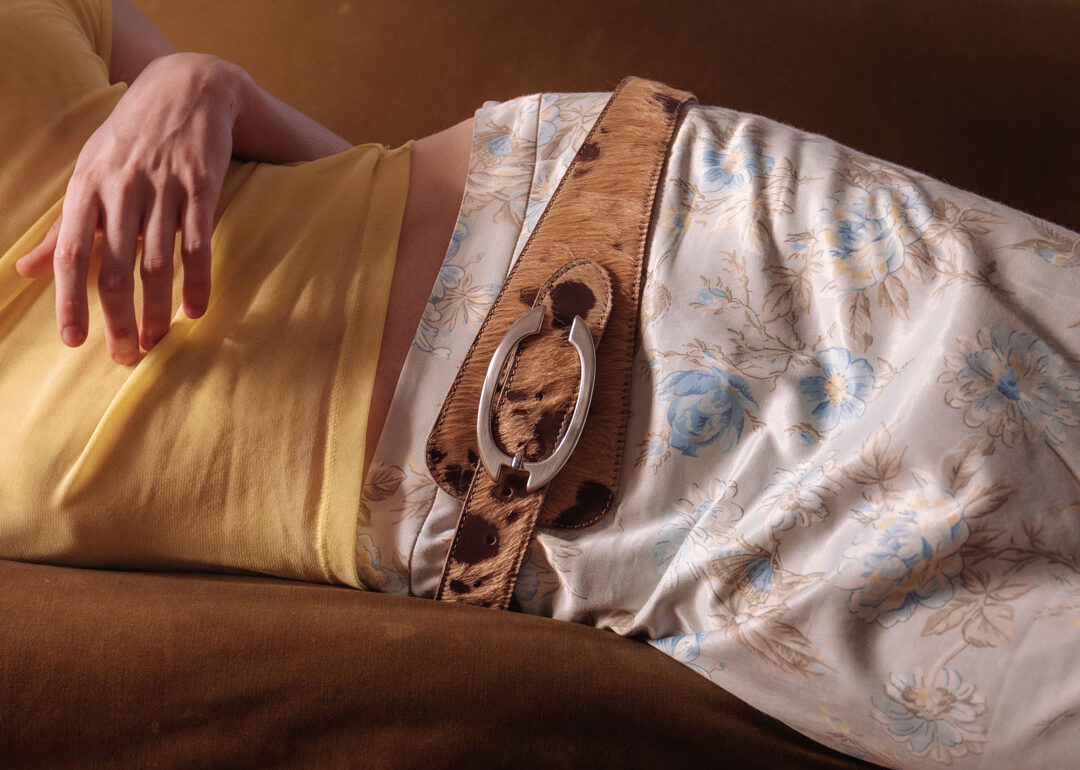
And give it the prominence it lacked
Words: Joana Moreira
Photos: Paula Yubero
An unlikely encounter between a Portuguese and a Brazilian woman resulted in a brand of handcrafted belts produced in the north of Portugal that aims to redefine how we view one of the most underrated accessories in our wardrobes.
The story of Casa Gaja began far from Portugal, in Paris to be precise, during a production job for an international agency. It was at a party, between conversations, that Brazilian Nicole Brixi and Portuguese Carlota Santos discovered that they shared the same language. The revelation, made by a colleague who was surprised to hear them communicating in English, ended up marking the beginning of a friendship that, years later, would become a brand. “It was like meeting a distant cousin”, Nicole recalls. “We connected instantly”.
The two were working in the same area (strategy, communication and public relations) and had spent years creating narratives and identities for other companies. Eventually, the desire arose to do the same, but for a project of their own. The idea came from Carlota, “the bolder of the two”, as Nicole puts it. After many conversations and some initial hesitation, they decided to move forward. All that remained was to come up with an actual project.
The answer came quickly: in an industry dominated by fleeting trends and rapid consumption cycles, they realised that few people viewed belts as a central part of a brand. “They’re usually a subcategory. There is no leading brand that showcases the belt”, explains Nicole. Carlota, with her production experience and contacts in the field, confirmed that it could work: they had the quality, the resources, and the space to think differently.
And so Casa Gaja was created, a brand founded between London and Porto, with entirely Portuguese production. The name — a portmanteau of “casa” (house), evoking roots and heritage, and “gaja” (girl), a slang term widely used in the North — was created from a moment of laughter. Nicole, who had never had contact with Portuguese people, found the word irresistible and unique. “It’s a term that only exists here. It sounded good to us; it was memorable, and it carried that personal touch of our friendship”, she recalls.
The local connection is also evident in production. The belts are made in the north of the country, in a factory with which they have established a close relationship. The brand works mainly with leather sourced from food industry waste, off-cuts and deadstock, leftovers from previous collections, often forgotten in archives. Instead of viewing the material limitations as an obstacle, they embraced them as their signature: each model exists as long as the resource that makes it possible exists. “We’re completely at peace with that”, says Nicole. “Turning something discarded into something beautiful is part of our mission”. Carlota adds that this model allows the brand to work in drops and small editions, which maintains creative flexibility and guarantees customers truly limited-edition pieces.
The creative process is collaborative and intuitive. The pair visits the factory regularly to explore materials, colours and buckles from the archive. This is how they found the buckle that would become one of the distinctive elements of the brand. Their references range from vintage to furniture design and art, in an approach that views the belt as a structural element of an outfit. The discreet but fundamental element.
The debut collection features four models, and had barely reached the market when one of them became an instant best seller: the Porto Cognac model, which sold out in the first weeks thanks to the combination of colour, design and the ingenious way it uses small pieces of leather joined together by metal pieces.
For now, the brand currently sells exclusively online, with shipments worldwide. However, they don’t rule out a future physical presence. “We are open to strategic partnerships, but we don’t want to mass-market the brand”, explains Carlota, acknowledging that “physical retail remains important, especially for those who want to see and experience”.
For now, the focus remains clear: to create belts and consolidate the brand as the leading belt brand in the market. In the future, they hope to expand their universe to other objects — wallets, accessories, or even lifestyle pieces — but only when it makes sense and without abandoning the sustainable and handmade approach that defines them. “We are a small, independent brand, and we want to grow consistently”, they say.