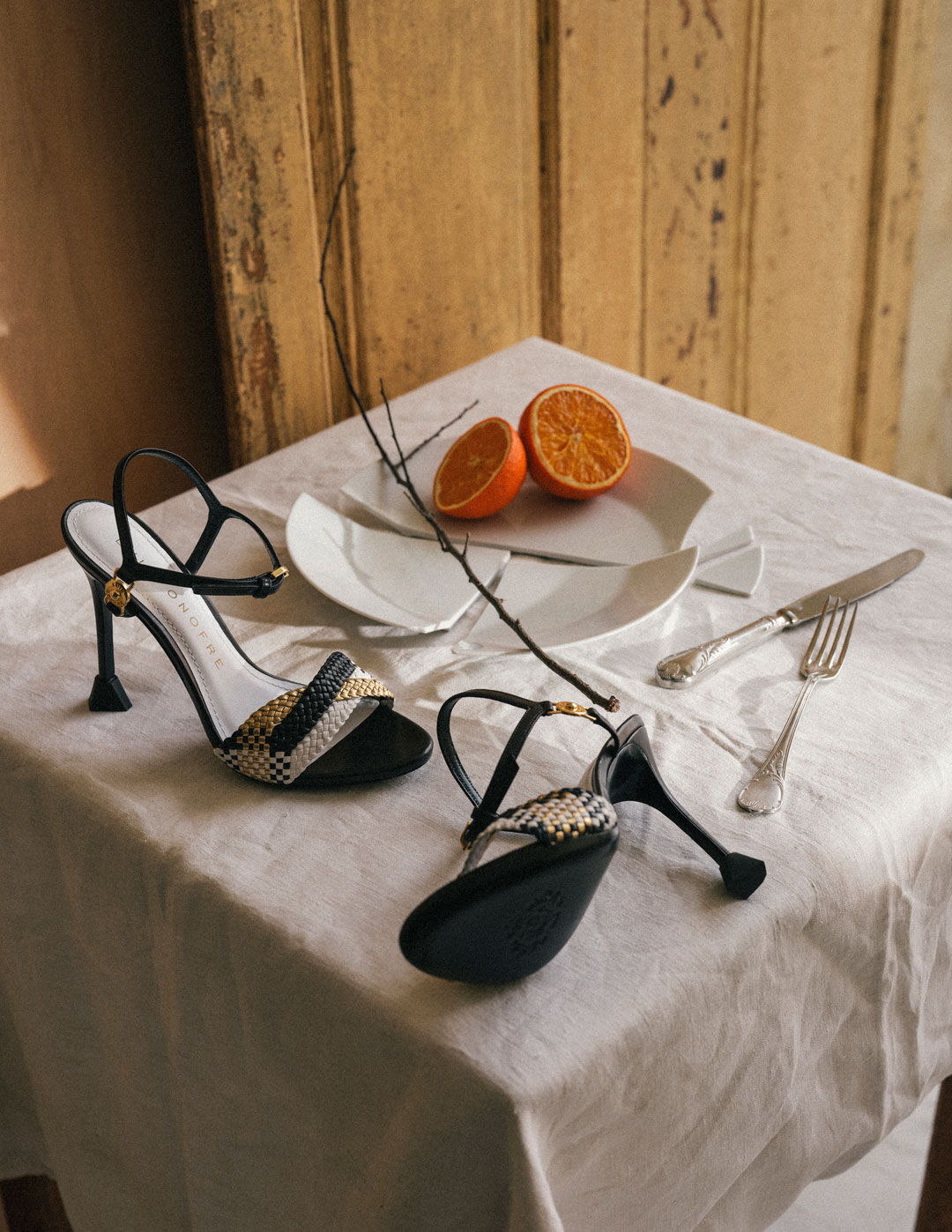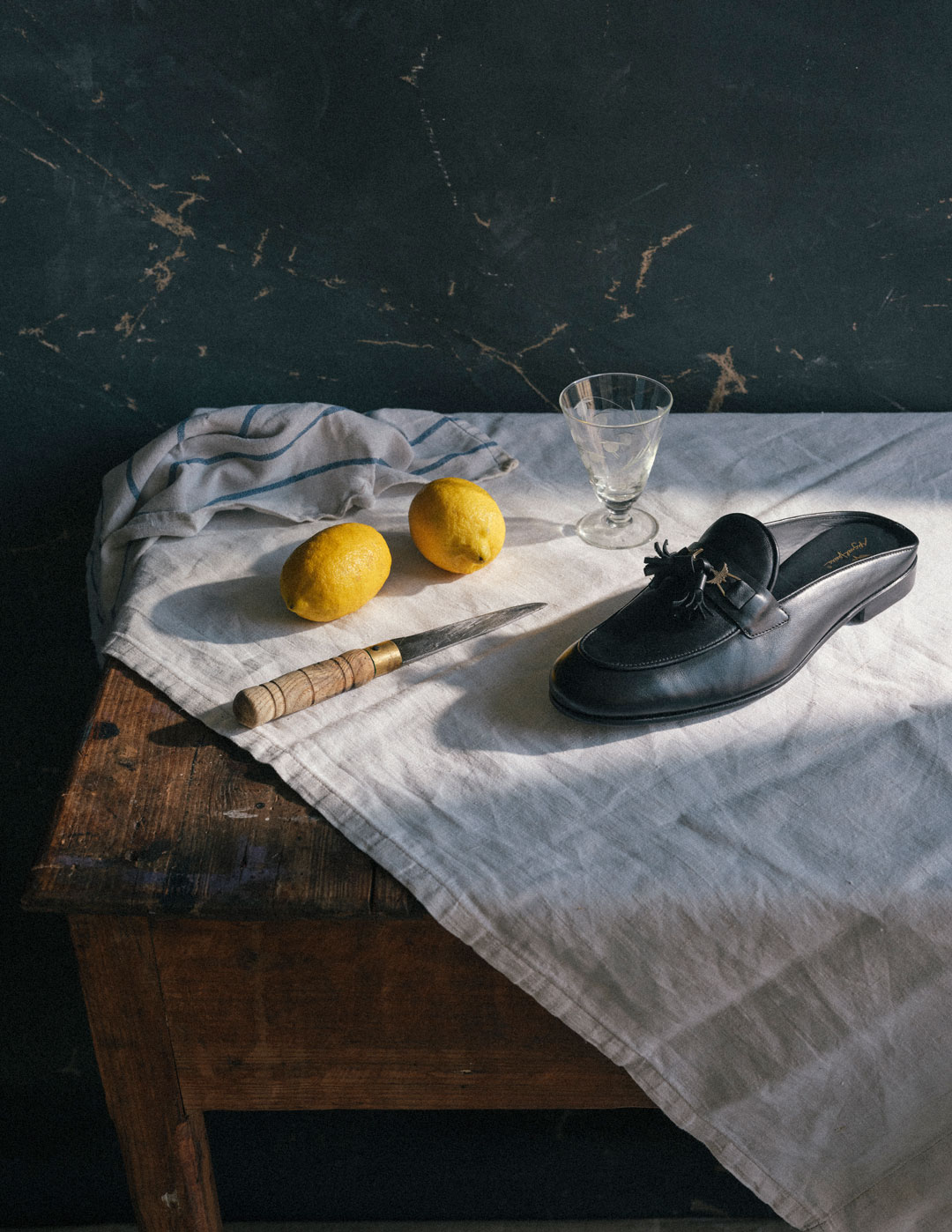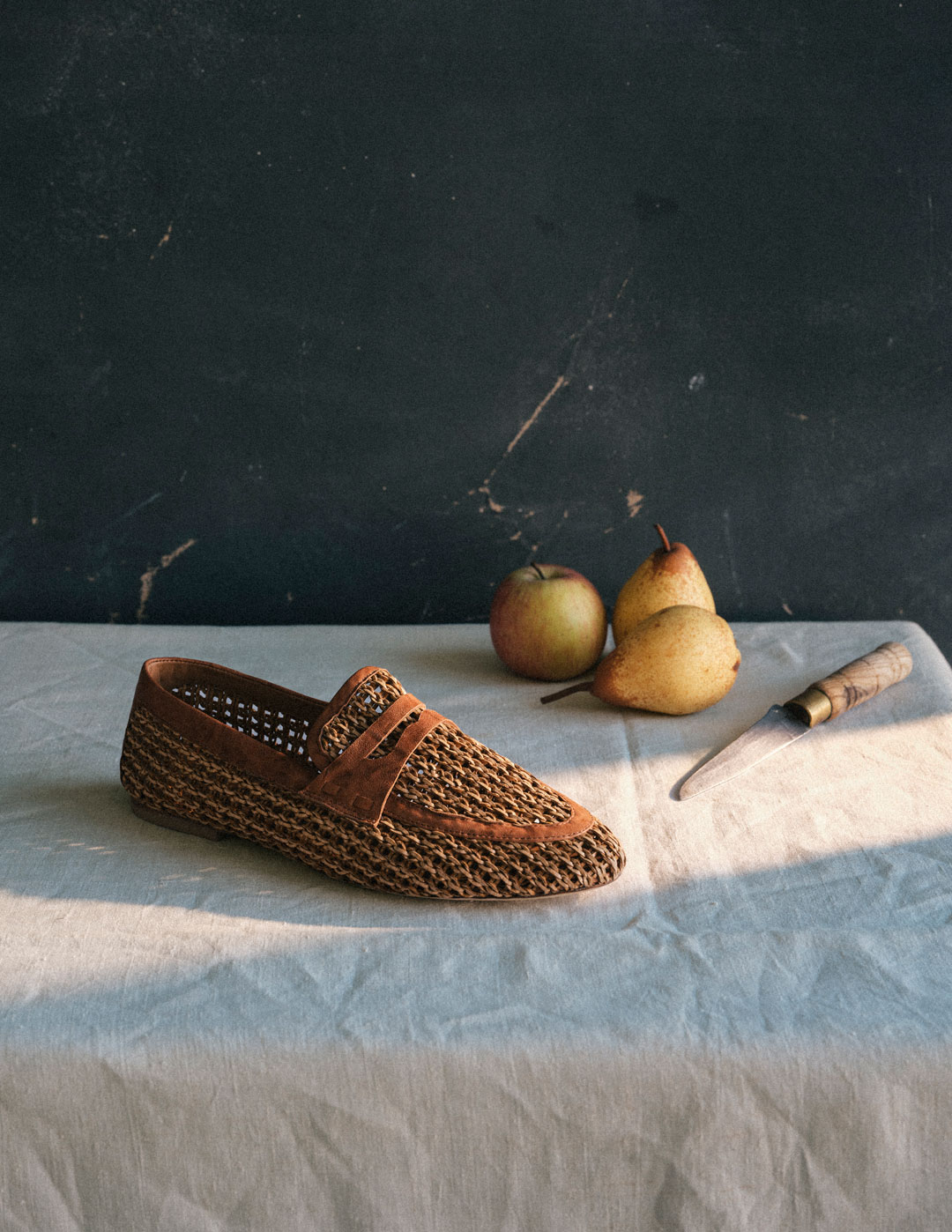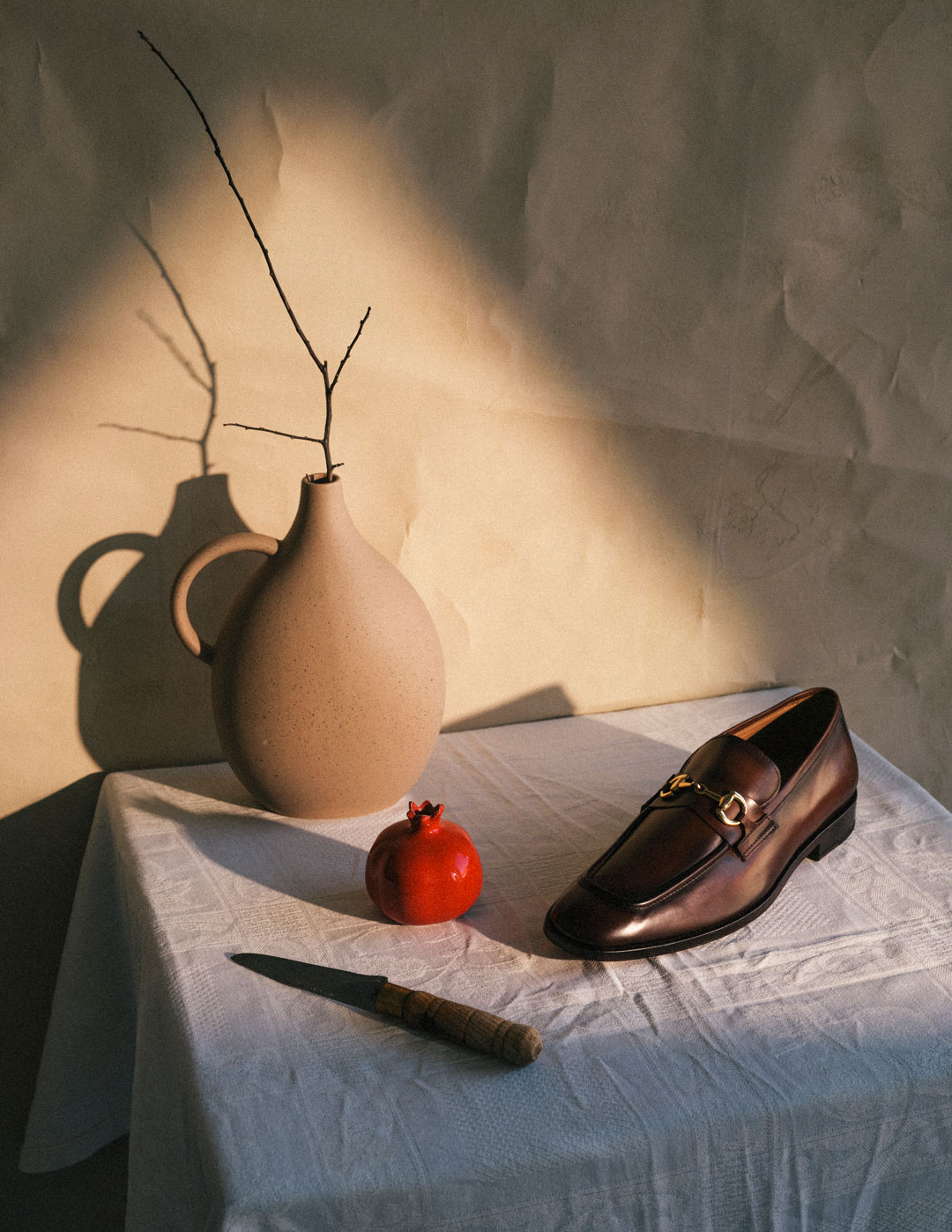
Photos: Frederico Martins
Industry Invested €100 Million Over The Past Three Years
Over the past three years, the Portuguese footwear industry invested more than €100 million through the Footwear and Fashion Cluster, led by APICCAPS and the Portuguese Footwear Technology Centre (CTCP), with the goal of becoming “an international reference in the development of sustainable solutions”. The sector also aimed to strengthen Portuguese exports based on a highly competitive national production base founded on knowledge and innovation.
Within two distinct but complementary projects under Portugal’s Recovery and Resilience Plan (PRR), APICCAPS and CTCP brought together more than100 partners — including companies, universities, and organisations from the scientific and technological system — preparing the sector for a new decade of growth in international markets.
“Past achievements were not guarantees of the future”, said Luís Onofre. According to the president of APICCAPS, although Portugal already exported 90% of its production to 170 countries, there was still a great deal of market to explore. “This investment was a strong sign of confidence in the future of this industry in Portugal”, he added.
This process of strengthening the presence of Portuguese footwear in international markets was based on the sophistication and creativity of the national offer — namely in biomaterials, eco-products, agile digital processes and new business models — allowing companies to focus on market segments where purchasing decisions were driven more by fashion than by price.
A bioeconomy of hope
With a budget of €70 million, the BioShoes4All project was structured around five pillars — Biomaterials, Ecological Footwear, Circular Economy, Advanced Production Technologies, and Training and Promotion — and aimed to ensure a resilient national production base capable of competing internationally. Innovation, differentiation, rapid response, service, product quality, skills development and promotion were identified as key competitive advantages, as explained by Maria José Ferreira from CTCP and coordinator of the project.
The footwear sector aimed to trigger a radical transformation in materials, technologies, processes, and products.
One of the project’s objectives was the development and production of new biomaterials and components based on the principles of circular bioeconomy and sustainable development, creating differentiated solutions valued by customers and consumers, while contributing to a new sustainable bioeconomy, the efficient use of regional and national bioresources, and decarbonisation.
The project also focused on creating new concepts of eco-products in footwear and leather goods based on circular economy and carbon neutrality principles, with high functionality, innovative processes and new business models. These were designed for consumers who valued design and fashion, sought product personalisation, and were informed, socially and environmentally demanding, and often digital.
Equally important was the development and application of new approaches and technologies aimed at minimising production and post-consumption waste within a circular green economy, contributing to longer material life cycles, more efficient use of resources, carbon neutrality and the fight against climate change.
The BioShoes4All project also enabled the development of advanced technologies aligned with new technological and sustainability paradigms, including tools for full value-chain traceability, robotics, data valorisation and artificial intelligence, contributing to greater flexibility, productivity, competitiveness, and resilience within the cluster.
€60 million in cutting-edge technology
With a budget of close to €60 million, the FAIST project neared completion. Its main goal was to increase the specialisation of the Portuguese footwear industry in new product typologies and to enhance the capacity of companies to handle medium and large-scale orders using more efficient assembly processes, as explained by Florbela Silva from CTCP.
Portuguese companies were already recognised for their innovation, efficient production of small orders and flexibility, but the project allowed processes to be optimised and efficiency to be improved, ensuring new gains in competitiveness.
According to the FAIST project coordinator, the footwear cluster innovated in the organisation of the production chain, from component manufacturing to upper production and the creation of modular assembly units.
At the same time, the sector strengthened its investment in the production of equipment and advanced technologies, replacing imports and creating local skills and capabilities essential for highly automated and robotic production units.
Cooperation between universities, polytechnics, technological interface centres and companies was also reinforced, leading to the creation of new automated and robotic production lines capable of improving the sector’s competitiveness.
In parallel with the development of highly automated integrated production lines, the sector also invested in the automation of key workstations and processes in existing production lines through the creation of automation islands.
Pilot workshops were also created to test and validate new technologies and processes, particularly in digital technologies, recycling and waste treatment, and the design and prototyping of tools required for automation.
The two projects began with 100 partners, and there was still the expectation that new ideas and business projects could be integrated.
“The footwear sector had always aimed to become a major international reference”, recalled Luís Onofre. “This was the moment to prepare a new decade of growth by strengthening capabilities, accelerating the integration of new qualified professionals in companies and increasing investment in R&D, so that highly differentiated products could be delivered”, concluded the president of APICCAPS.
Portuguese Footwear Exports To 174 Countries
The Portuguese footwear sector exported to 174 countries across five continents and recorded growth of 0.8% in 2025, bucking the slowdown trend seen in several international markets.
According to the APICCAPS, more than 90% of national production is destined for export, keeping the sector among the most internationalised in the Portuguese economy.
The association’s president, Luís Onofre, said that “the figures confirm the resilience of the industry in a particularly challenging context”, stressing that this performance is being driven by a “continuous commitment to quality, innovation and differentiation”.
“Portugal does not compete on price, it competes on value”, said Luís Onofre, adding that the sector has been strengthening investment in design, technology, and sustainability.
According to the association, the footwear and leather goods cluster maintains a strong international presence, consolidating traditional markets while seeking new growth opportunities amid global uncertainty.
Portugal’s performance in 2025 is even more significant when viewed against the evolution of its main international competitors. Traditionally dominant countries in the sector recorded declines in exports, namely two of Portugal’s main direct competitors: Italy, with a 1% decrease, and Spain, with a 3% drop. Among the world’s largest producers, China, responsible for more than 50% of global production, posted an 11% decline, while Turkey saw exports fall by 13%. Brazil also recorded a contraction of around 2%.
International Brands Strengthen Their Commitment to Portugal
The international reputation of the Portuguese footwear industry continues to consolidate, with a growing number of foreign brands openly stating that they manufacture in Portugal.
In recent years, several international labels — particularly in the luxury segment — have highlighted Portuguese production as part of their value proposition, associating it with quality, production flexibility, and technical know-how. At the same time, many emerging brands are also embracing “Made in Portugal” as a non-negotiable element.
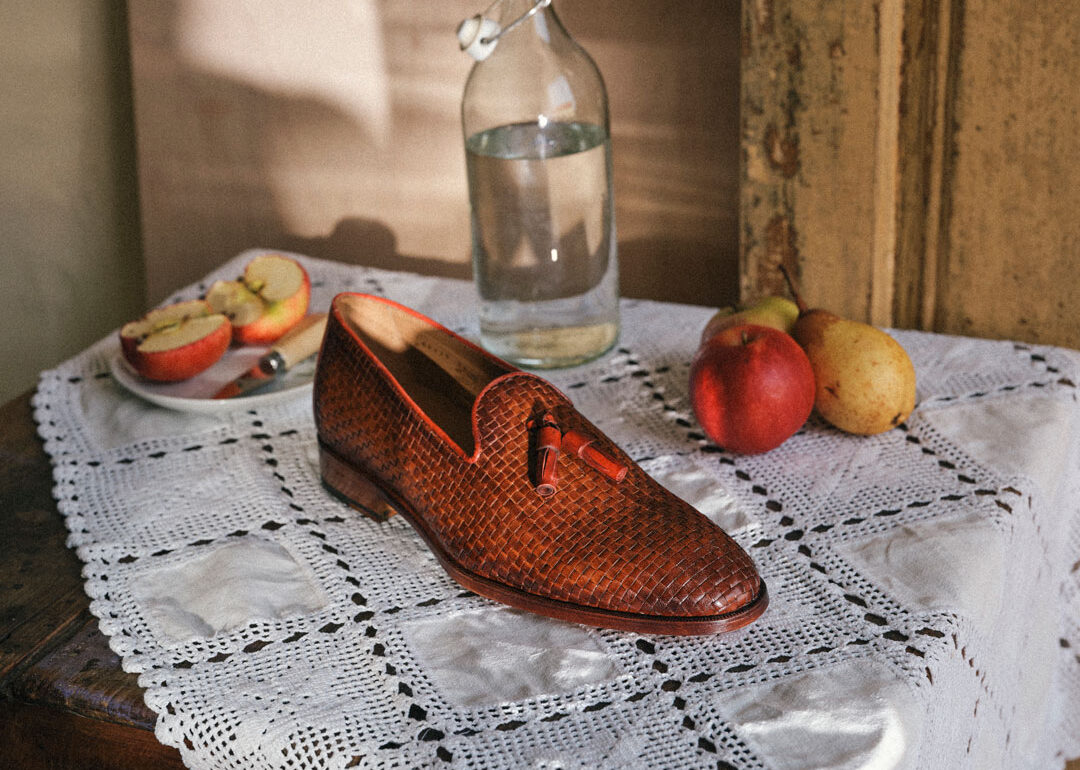
The Danish brand Carciami, for example, presents its models as “designed in Copenhagen, handcrafted in Portugal”, combining Scandinavian design with Portuguese manufacturing. Similarly, the Spanish brand John Tweed Tailored identifies the Portuguese origin of production in several of its loafer models, reinforcing the link between Portugal and high-quality classic footwear. In the contemporary segment, Avrego also states that its shoes are handcrafted in the north of the country.
Other international brands have followed the same path. The British label Duke & Dexter, known for its contemporary loafers, produces a significant share of its collections in Portugal, highlighting the quality of local manufacturing. Swedish brand Axel Arigato, widely recognized in the premium sneaker segment, also relies on Portuguese factories for some of its footwear lines, valuing both proximity to European markets and the technical capabilities of the national industry. It has even recently shot a campaign in Portugal.
Among emerging brands, Filling Pieces, — focused on minimalist-inspired footwear — also offers models produced in Portugal, reinforcing the country’s presence in the production chains of new European brands.
“The choice of Portugal is not accidental. The national industry has developed highly specialized expertise in the production of high-quality footwear”, says Paulo Gonçalves. According to the Executive Director of APICCAPS, “proximity to key European markets, the ability to produce shorter runs, and an increasing focus on sustainability have strengthened the country’s attractiveness among international brands”. In practical terms, “at a time when many companies are seeking shorter and more reliable supply chains, Portugal is increasingly seen as a competitive alternative to mass production”.
This trend reinforces Portugal’s position as one of Europe’s leading hubs for high value-added footwear production, in an industry that is strongly export-oriented and increasingly recognized for its design, quality, and innovation capabilities.
For Sérgio Cunha, “the recognition of ‘Made in Portugal’ by major international brands is no longer a promise — it is now a clear reality on the global stage”. The CEO of Nobrand adds that “the growing appreciation of this origin by leading brands is a strong sign of confidence in the country’s quality, craftsmanship, and production capabilities. More than an isolated movement, this shift may act as a true catalyst, paving the way for other international labels to follow and to explicitly integrate ‘Made in Portugal’ into their positioning and communication”.
The head of the Máximo Internacional group further argues that “Portugal is now synonymous with quality and added value- attributes — increasingly recognised by major international brands. In these segments, price is no longer the main criterion, creating room for greater appreciation of fast response, proximity, and the level of service that the Portuguese industry can offer”. As a result, “today, a shoe takes longer to reach the box. This reflects more stages of care and attention than in the past”, he explains.
In fact, Sérgio Cunha continues, “the sector also stands out for the care invested in each pair, in a more time-intensive process built on attention to detail and genuine craftsmanship. In this sense, it is essential to make ‘Made in Portugal’ more visible and unequivocal, ensuring that this origin is immediately associated with quality”.
For Alexandre Pimenta, this is “a natural consequence of the work that has been carried out. Today, many brands are discovering that Portugal is not just a production country, but a development country — one that provides valuable input to enhance both the creative and production processes”.
According to the CEO of Solpré, “Portugal is now positioned as a partner of excellence for high value-added footwear, supported by long-standing expertise and a highly specialized ecosystem that is increasingly prepared to meet the demands of short runs and the luxury segment”. This is complemented by “remarkable flexibility and speed of development, enabling close collaboration with brands — from prototyping to production. Strong vertical integration, with many companies concentrating several stages of the process in-house, ensures rigorous quality control. At the same time, a commitment to sustainability and value chain transparency responds to growing demands for traceability and compliance. Finally, geographical and cultural proximity to key markets, combined with a highly competitive price-quality ratio, positions Portugal as a strategic alternative among the world’s major production hubs”, he explains.
António Ferreira notes that “the work carried out is delivering results”. The head of Bolfex believes that “the quality and service provided by the Portuguese footwear industry are clear advantages for international brands seeking reliable partners capable of delivering quickly and at high standards”. Naturally, he adds, “Portugal can benefit from current geopolitical shifts, as it becomes a geographically closer partner for international luxury brands”
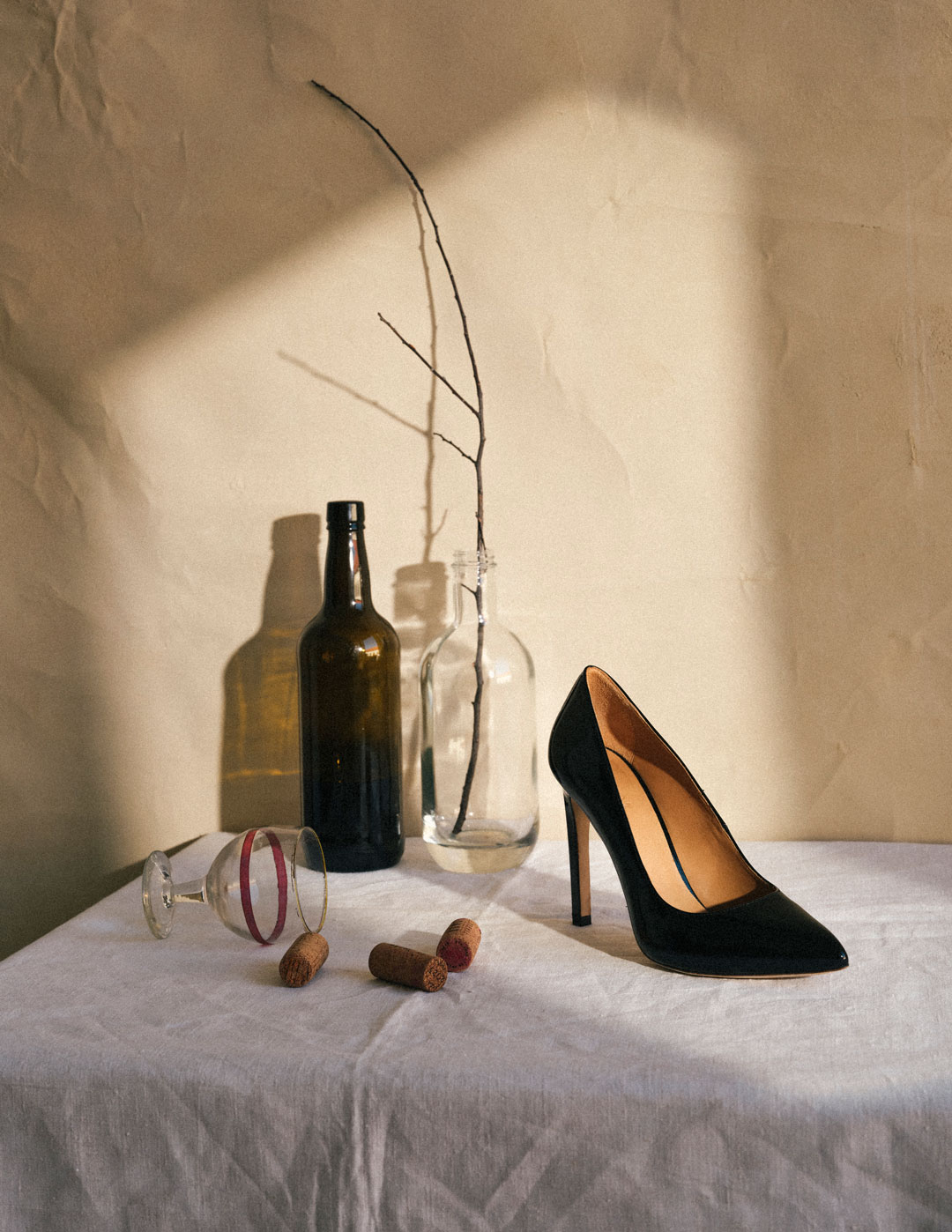
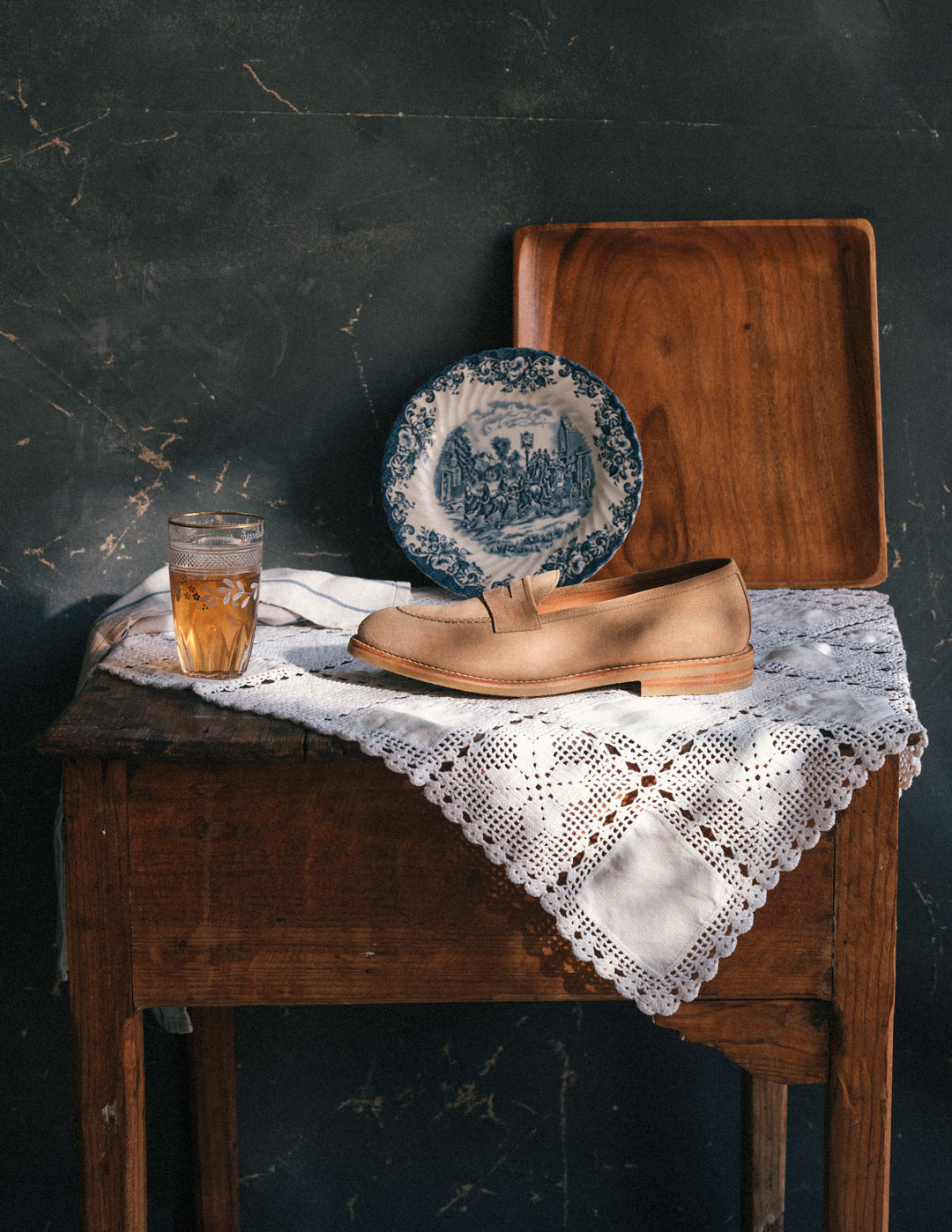
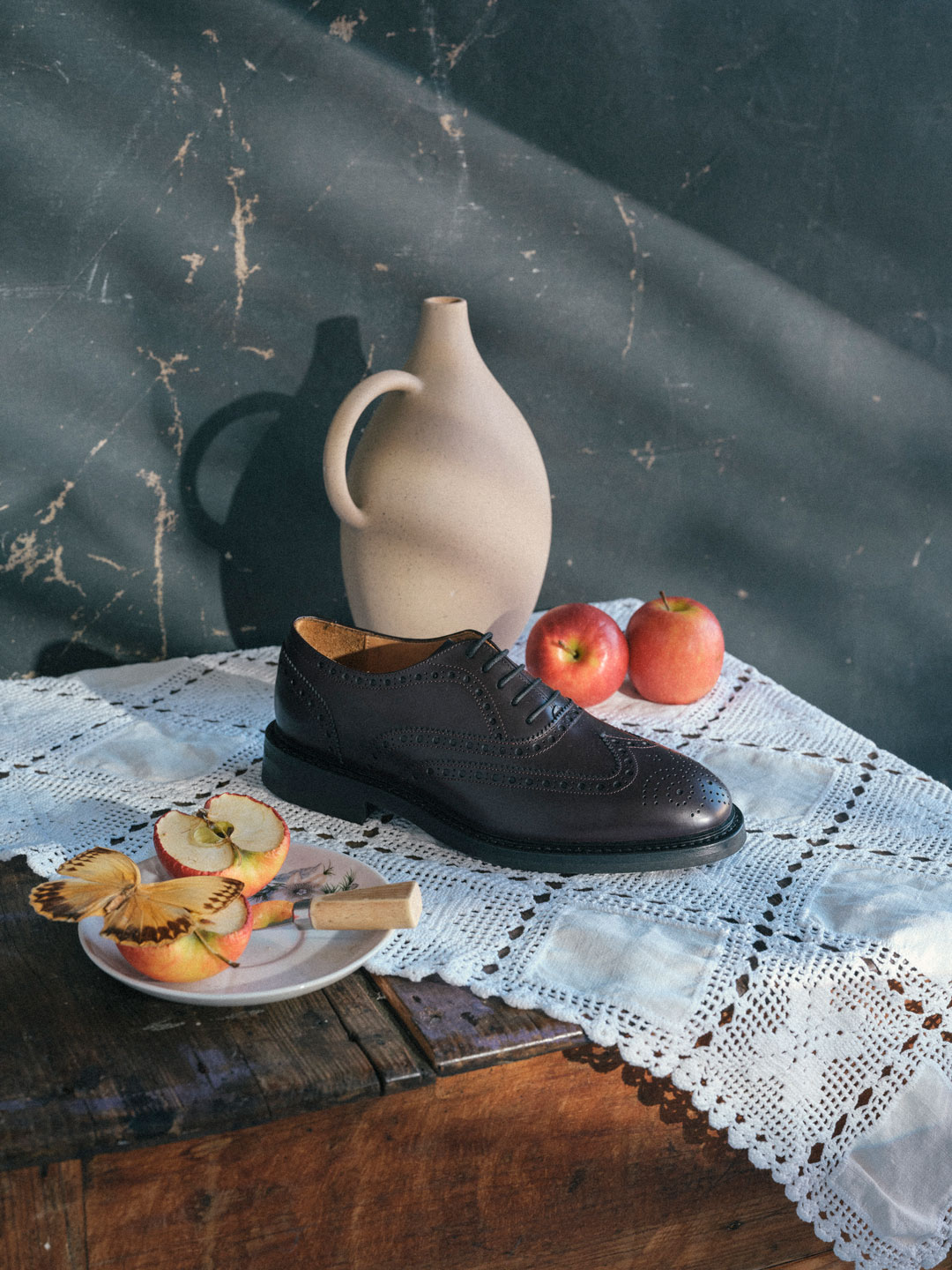
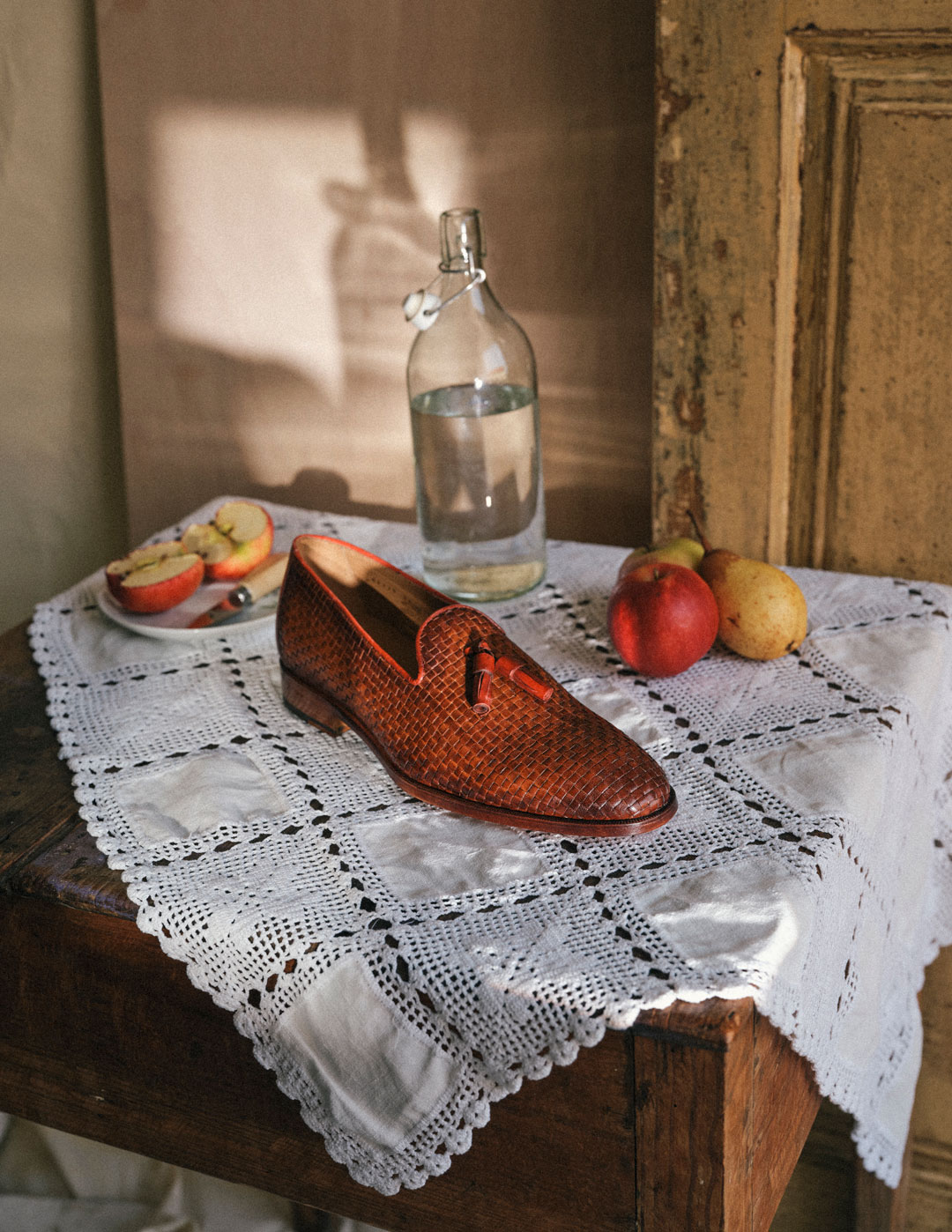
Shoes and bags (in order of appearance):
Luís Onofre
Leather Goods by Belcinto
Luís Onofre
Maray
Miguel Vieira
Helena Mar
Centenário
Gladz
Helena Mar
Carlos Santos
Penha
Centenário