Words: Cláudia Pinto
Photos: Mário Teixeira
Death, probably alongside love, is the subject that fascinates us most as human beings. The reason is not easy to explain, but everything suggests that we do not hold the key that might unlock these questions. They are vast, complex and, for the most part, indecipherable. We do not know why we love, nor how love comes about, how it becomes the driving force that guides and transforms our lives, just as we do not know what happens after death, where we go, if we go anywhere at all, and what remains once we have departed.
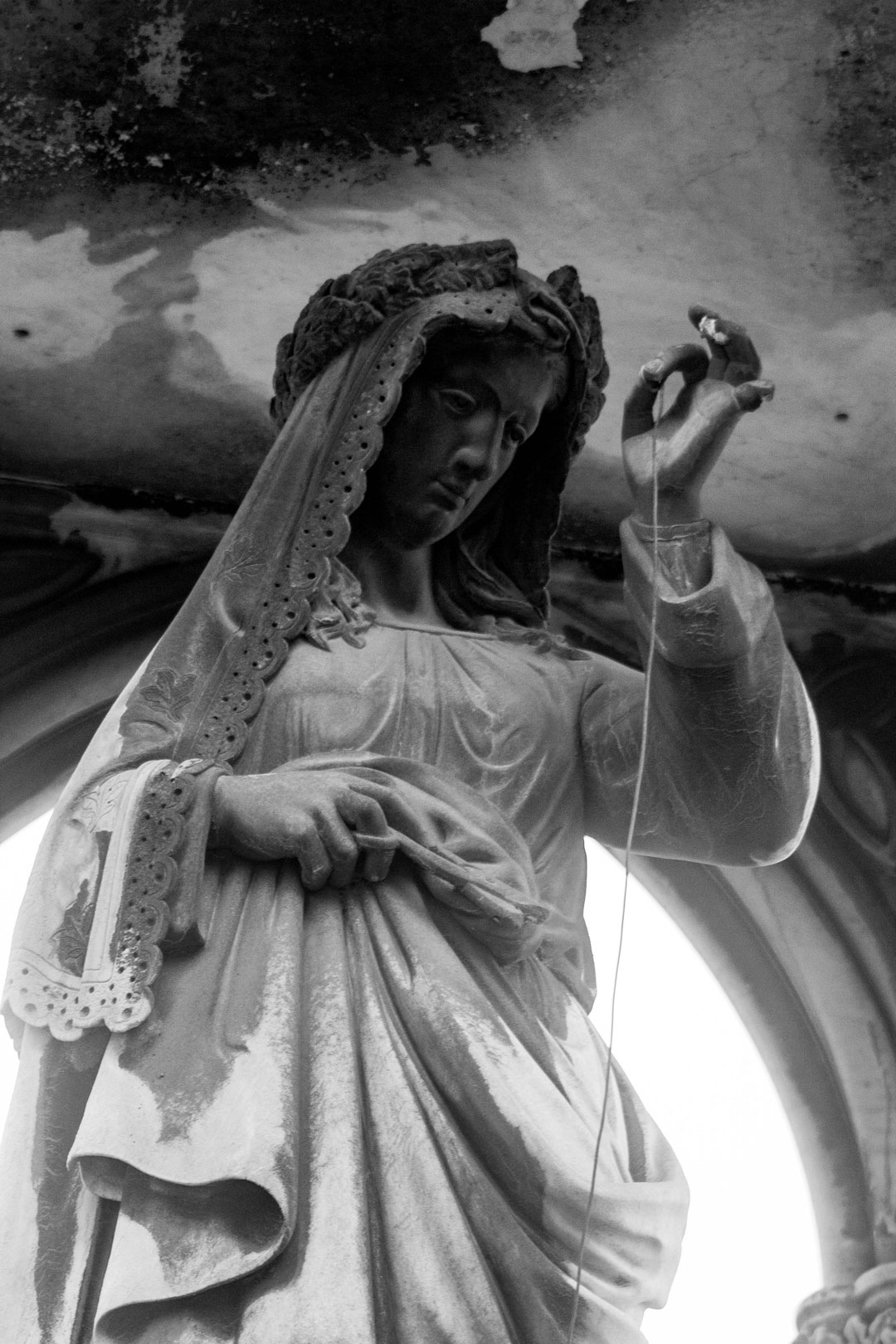
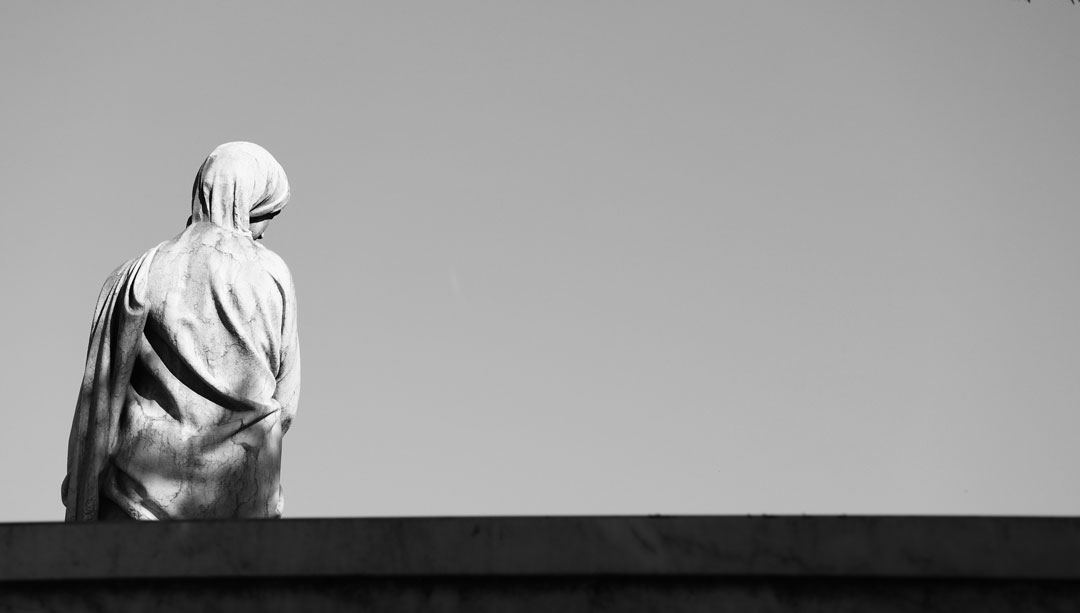
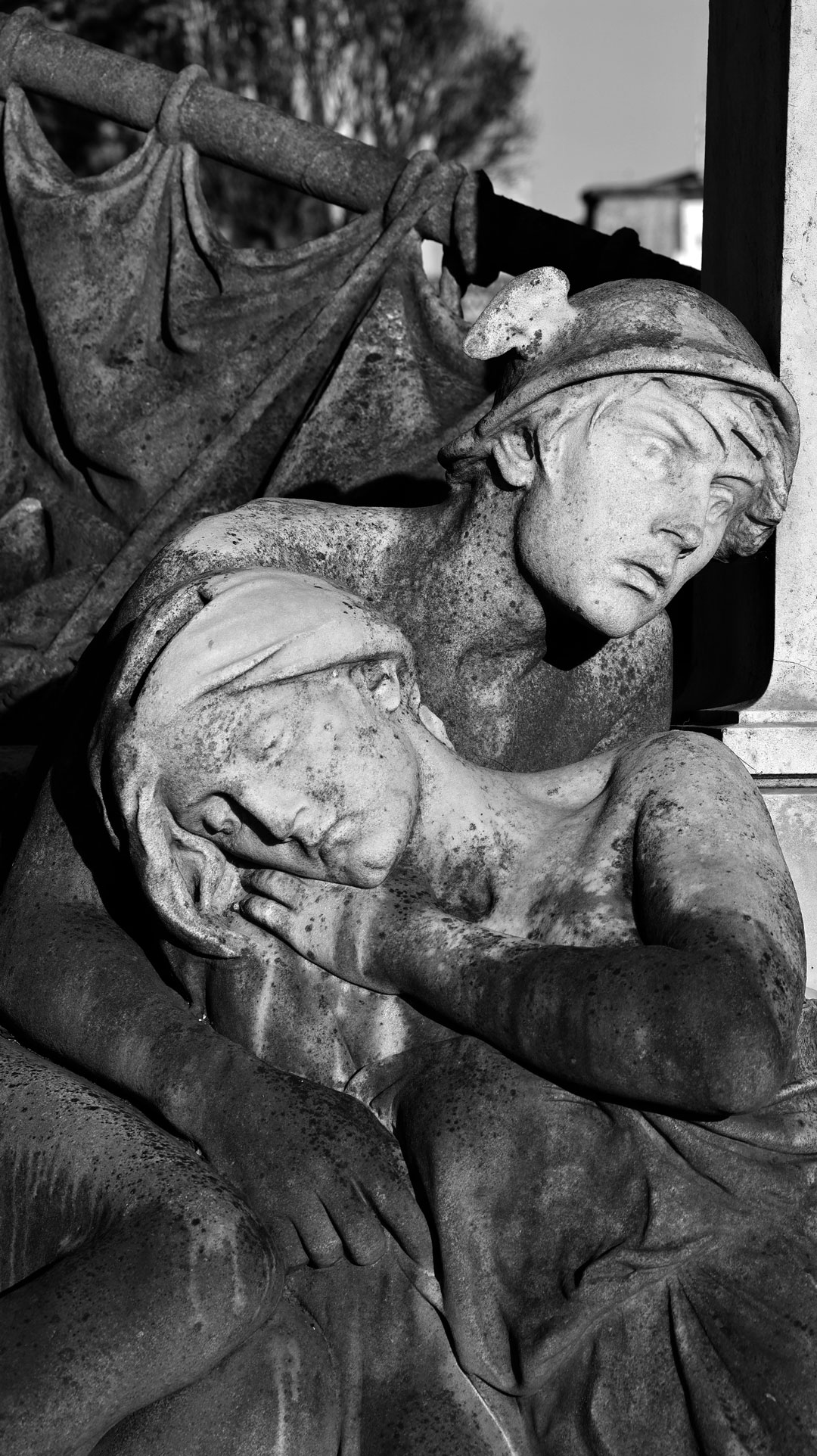
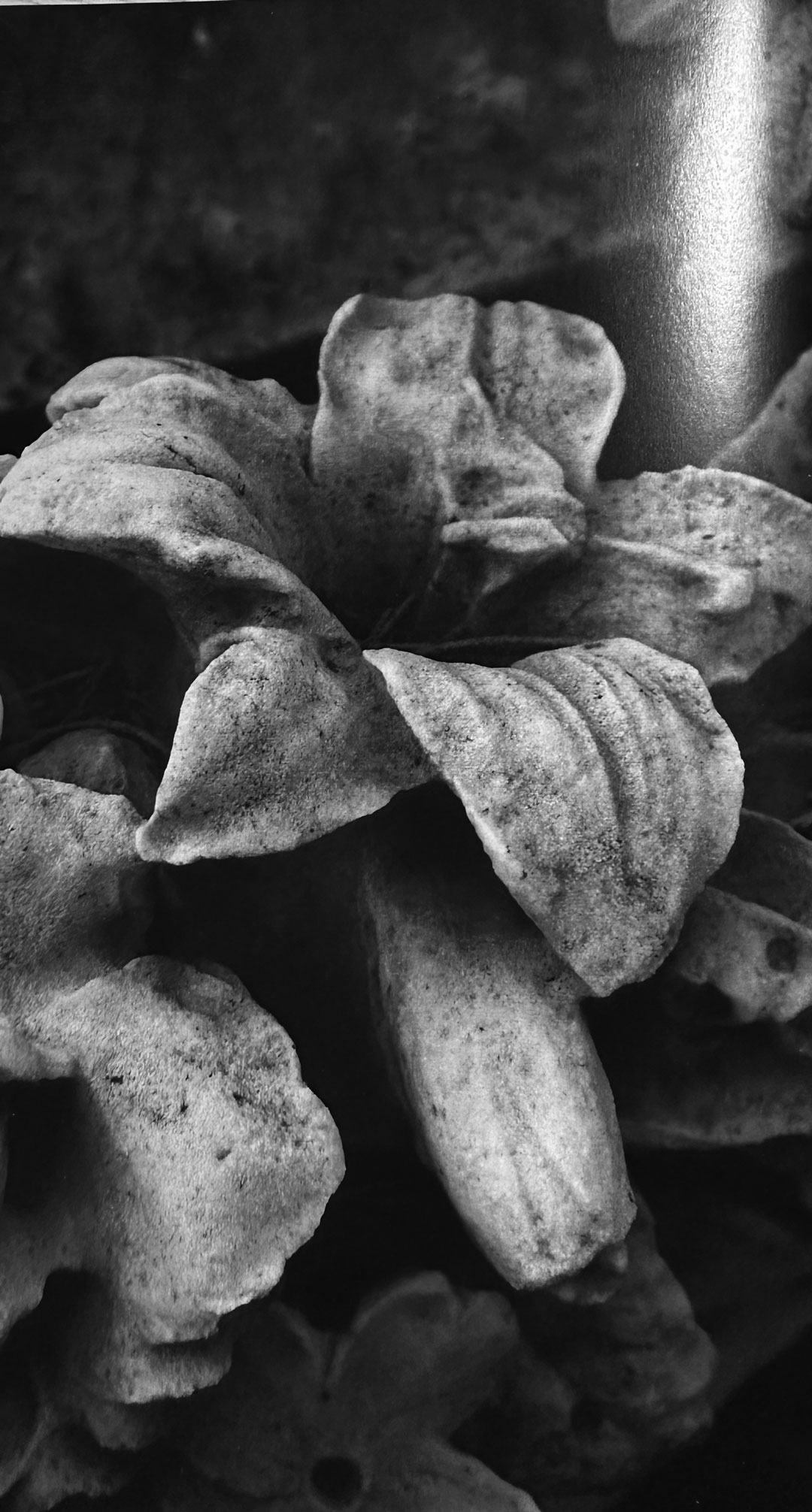
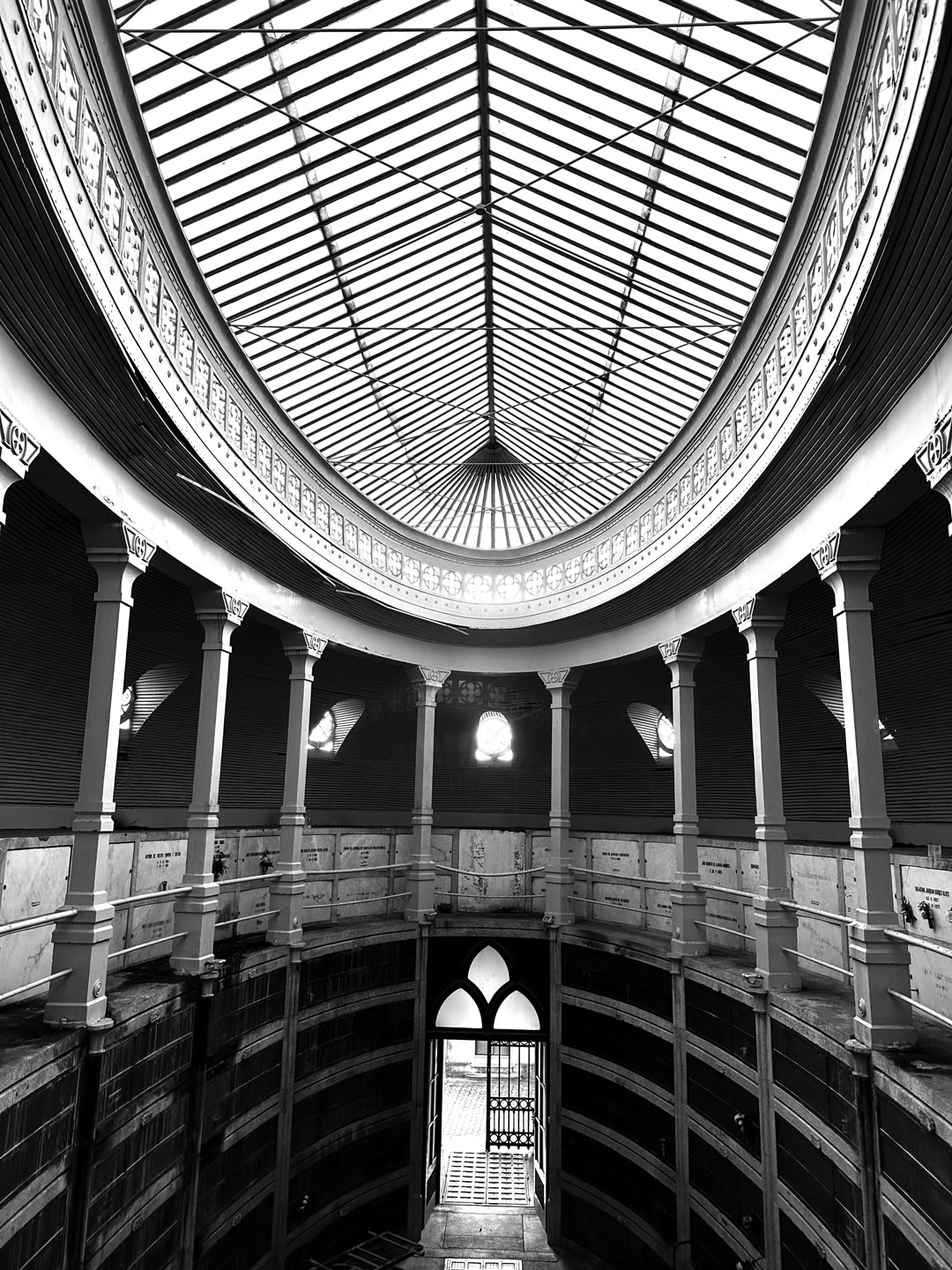
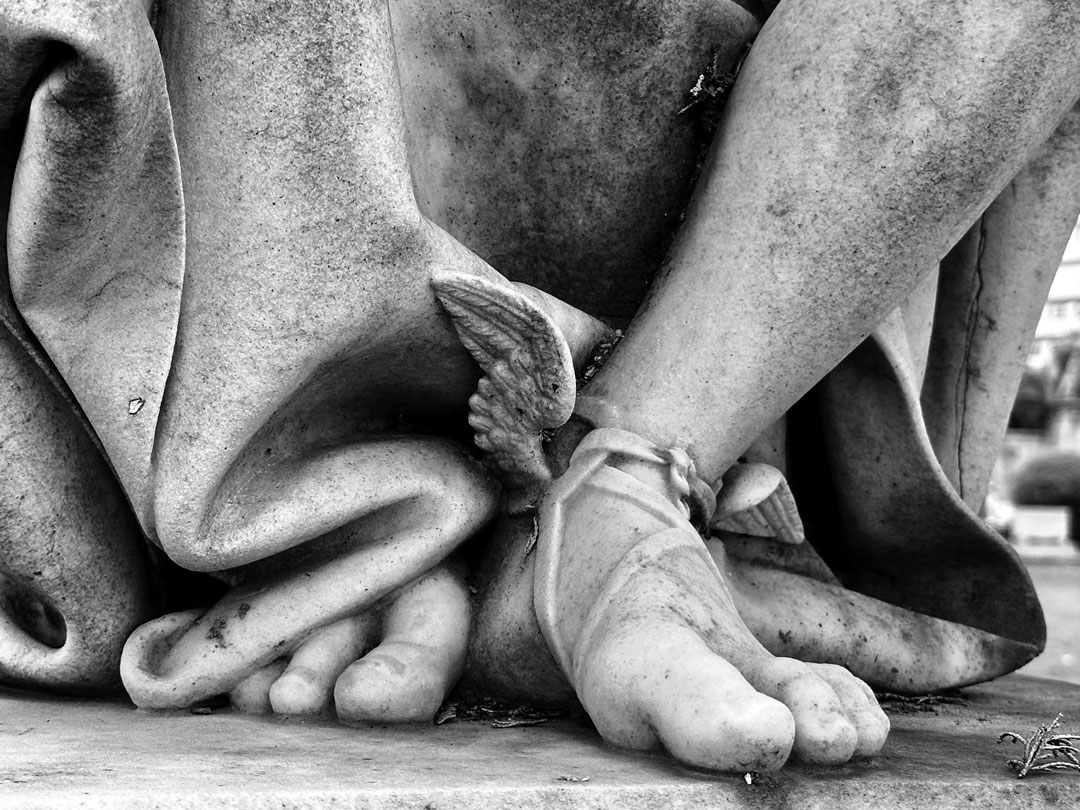
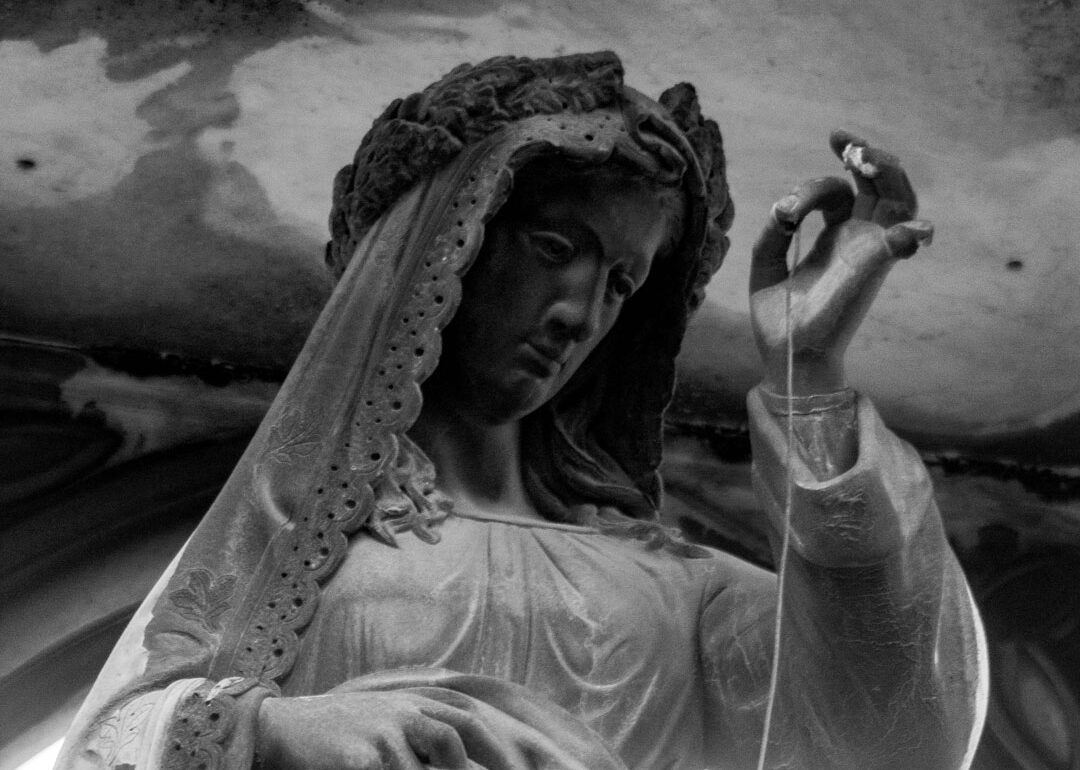
Perhaps for all these reasons — and no doubt others besides – these questions have been widely portrayed in music, literature, painting and sculpture. In everything that makes us stop and think. More compelling than the idea of simply depicting these subjects in art is the way art can actually embellish them. That is where we are heading. Porto-based designer Mário Teixeira describes cemeteries as “open-air museums”. Taking that as his premise, he has explored the sculptural beauty of Porto’s cemeteries in a pocket-sized book published by the City Council.
The very idea might well send a shiver down the spine, certainly, but the beauty we encounter here reassures us that we humans have long been searching for an aesthetic, graceful way of immortalising ourselves.
“Anyone feels overwhelmed in front of the Fountain of Neptune (Fontana di Nettuno) in Florence and, without even leaving Florence, we come across Michelangelo’s David and Donatello’s, with Ghiberti’s Gates of Paradise, and we find ourselves caught up in a kind of epiphany about sculpture. If we can extend the visit to appreciate Bernini and Canova in Rome, we have to conclude that Italy is, after classical Greece, the ideal location for a journey through sculpture and, in a sense, its other birthplace”. This is the starting point for ALMA, Estado Sólido, (ALMA, Solid State), a book published by the Porto designer.
“What does all this have to do with cemeteries? To begin with, the fact that one of the two works by Canova we have in Portugal is to be found in a tomb, that of the Duke of Palmela, in the Cemitério dos Prazeres in Lisbon. After all, cemeteries are open-air museums that we can enjoy free of charge in a surprising act of discovery, if we pause for long enough and have at least a basic sense of how to look at them”.
Enjoy your visit to the mysterious, magical and timeless universe of Porto’s cemeteries.